Blog

Darlene Murphy
June 29, 2026
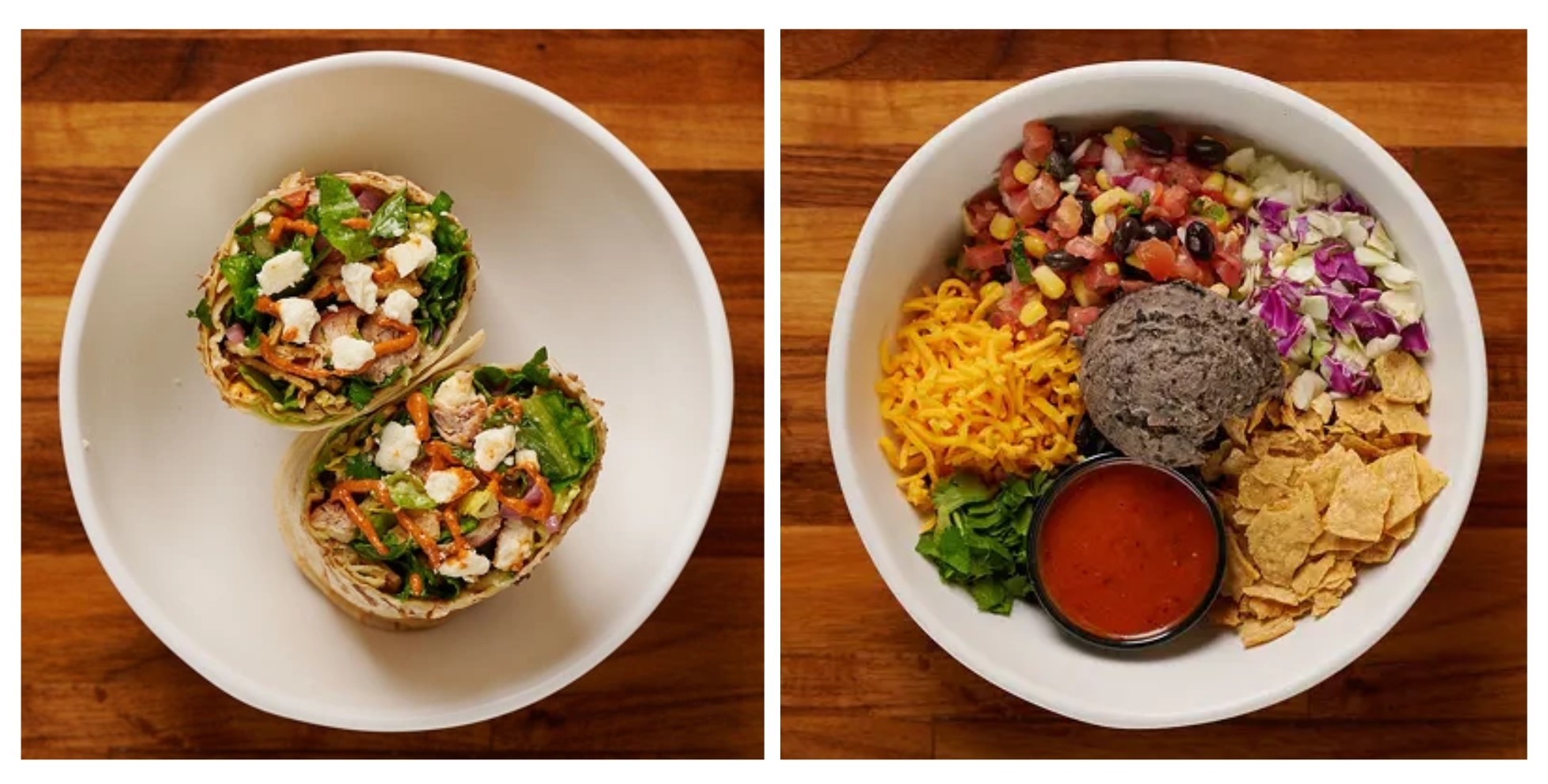
We've all hit that 3:30 PM wall. Lunch was only a few hours ago, and somehow hunger is already knocking. That post-lunch crash is frustrating, especially when you thought you ate a solid meal.
The wrap vs. bowl debate sounds like a simple preference call, but there's more going on than you'd expect. The format of your meal, not just what's inside it, shapes how long you stay satisfied. Let's break down what actually impacts fullness and how to choose the best option for your day.
There's a difference between feeling stuffed and feeling satisfied. Satiety is the lasting fullness that helps you stay focused and energized between meals.
Three things drive satiety more than anything else:
Two meals with similar calorie counts can feel completely different depending on how these factors come together. Meals built around fiber and protein generally keep hunger away longer than meals dominated by refined carbohydrates.
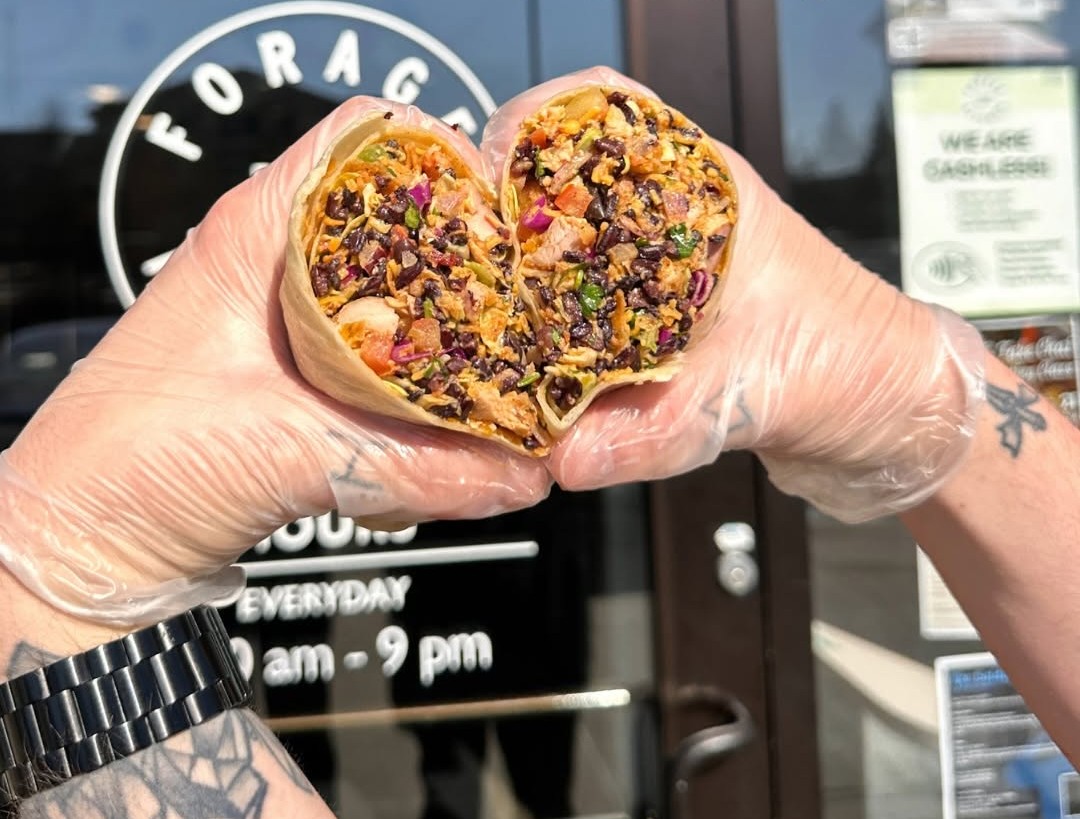
The tortilla plays a bigger role than many people realize. Whole-grain wraps provide fiber and help slow digestion compared to refined-flour alternatives.
What really matters, though, is what’s inside. Protein, vegetables, healthy fats, and flavorful sauces all contribute to a more satisfying meal.
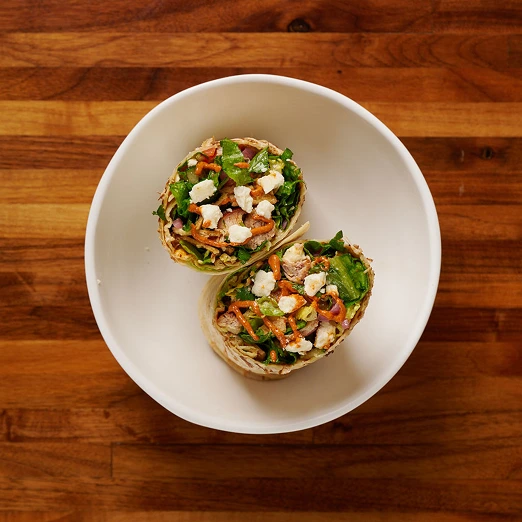
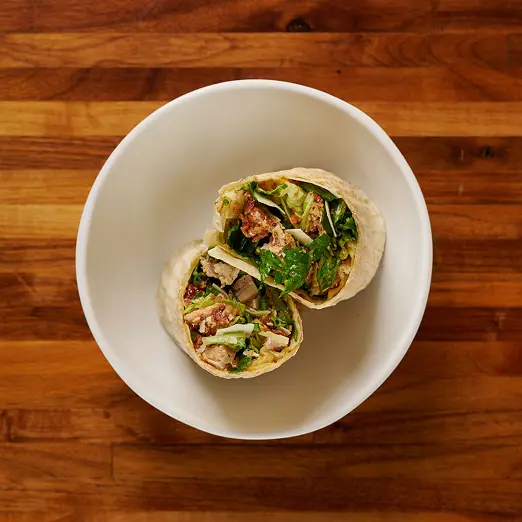
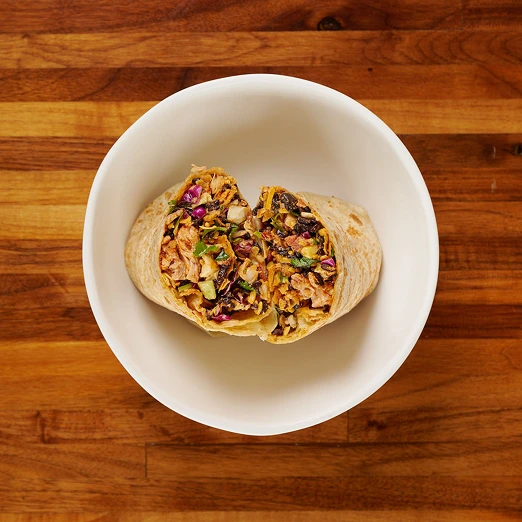
A well-built wrap combines protein, vegetables, healthy fats, and flavor in a compact, convenient format. Because wraps are compact, they often feel more filling than they initially appear.
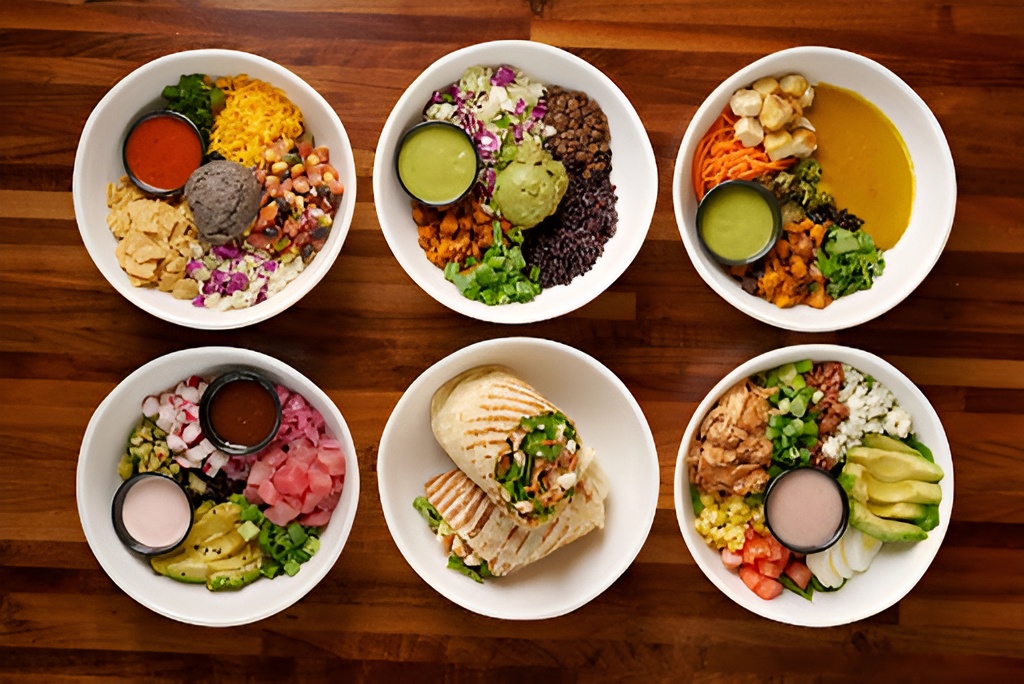
Grain bowls start with one major advantage: a hearty base.
Whole grains such as organic black rice provide complex carbohydrates that digest more slowly and deliver steady energy throughout the day.
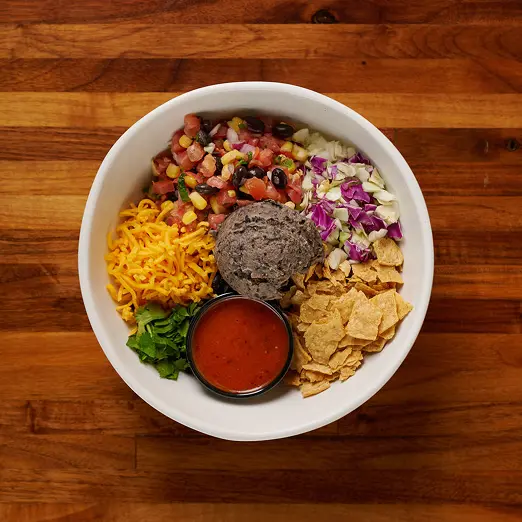
Bowls also naturally create more volume. Layers of grains, vegetables, proteins, and toppings often make the meal feel substantial before the first bite.
Texture plays a role, too. Roasted vegetables, crisp greens, proteins, pickled ingredients, and dressings create variety that helps meals feel more satisfying.
For people looking for a healthy lunch that fills you up, grain bowls often have a slight edge.
One factor that's often overlooked is how quickly a meal gets eaten.
Wraps are convenient and easy to eat on the move, which can sometimes mean finishing lunch in just a few minutes. Bowls naturally encourage a slower pace because each bite requires a little more attention.
Research suggests it can take around 20 minutes for fullness signals to register. Slowing down may help people feel more satisfied without necessarily eating more food.
That's not a reason to skip wraps. It's simply another factor that can influence how full you feel afterward.
If you're still deciding between the two, it helps to compare the factors that most influence fullness, convenience, and overall satisfaction.
The difference isn't dramatic. A thoughtfully built wrap can be just as satisfying as a bowl.
A filling lunch doesn't have to be expensive. In many cases, meals built around whole grains, vegetables, and protein offer better value than grabbing multiple snacks throughout the afternoon because your lunch didn't keep you satisfied.
At Forage Kitchen, several grain bowls provide a substantial meal while staying budget-friendly. Options like the Power Bowl, Thai Bowl, and Fiesta Bowl are around $10 each and combine grains, vegetables, and protein-rich ingredients to support lasting fullness.
For those looking for larger portions or premium proteins, bowls like the Asian BBQ Bowl and Tuna Poke Bowl offer additional variety while still delivering balanced nutrition at around $15 each.
Wraps such as the Santa Fe Wrap, Mediterranean Wrap, and Chicken Bacon Caesar Wrap are all available for around $14, making them a convenient option when portability is the priority.
When a meal keeps you satisfied for hours, value often comes down to more than just the price tag.
No matter which format you choose, focus on these key components:
Whether you're customizing lunch at Forage Kitchen Pewaukee or Forage Kitchen Monona, these building blocks help create meals that stay satisfying longer.
The formula stays simple: Protein + fiber + healthy fats + whole-food ingredients.
Choose a wrap if:
Choose a bowl if:
Both options can support a balanced, satisfying lunch when they're built around fresh ingredients and thoughtful combinations.
If you're placing an order for lunch, the better choice often comes down to your schedule, appetite, and how you prefer to eat.
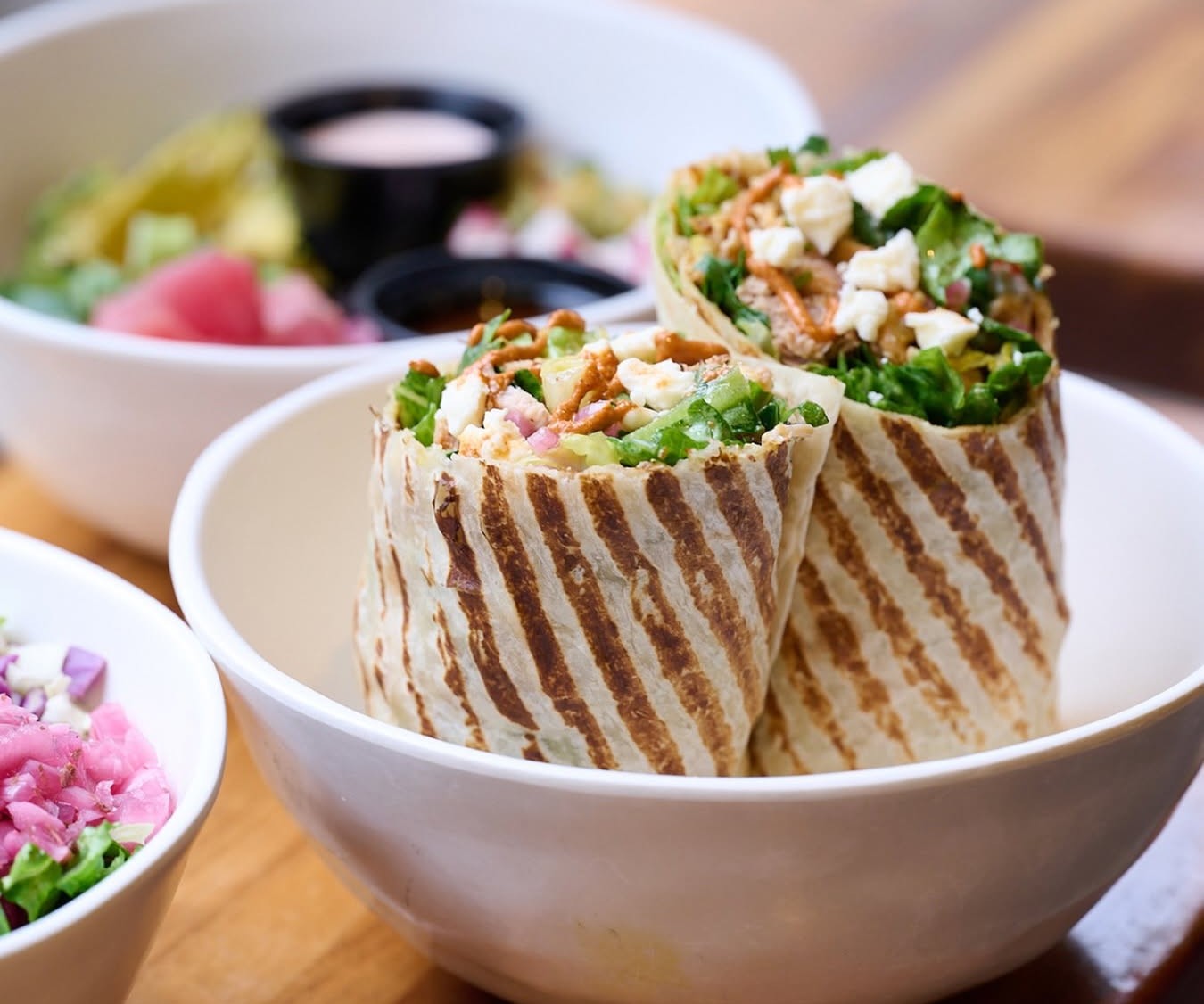
Both work well. Bowls offer more room for layering grains, vegetables, and plant-based proteins, while wraps provide a convenient portable option.
Yes. When built with protein, vegetables, healthy fats, and a whole-grain wrap, it can provide lasting fullness comparable to that of a bowl.
The combination of whole grains, vegetables, protein, and volume helps slow digestion and support longer-lasting satiety.
It depends on your goals. Bowls often make it easier to include larger portions of protein and carbohydrates for recovery, while wraps are convenient when you're short on time.
Wrap or bowl, what matters most is what goes inside. Both can keep you full, energized, and satisfied when they're built with real ingredients and balanced nutrition.
At Forage Kitchen, that means fresh ingredients, customizable meals, and options that fit different appetites, schedules, and dietary preferences. Whether you're stopping by for lunch or placing an order for pickup, both wraps and bowls can be part of a meal that keeps you going well beyond the last bite.
Visit your nearest Forage Kitchen location for a fresh wrap or grain bowl built around the ingredients you enjoy most.
Darlene Murphy is Vice President of Brand Development at Forage Kitchen. A veteran of both restaurant and retail marketing, she makes sure everyone knows and loves the Forage Kitchen vibe and is focused on strengthening the brand, menu innovation and creating a community for both existing and new guests.