
Blog

Darlene Murphy
June 23, 2026
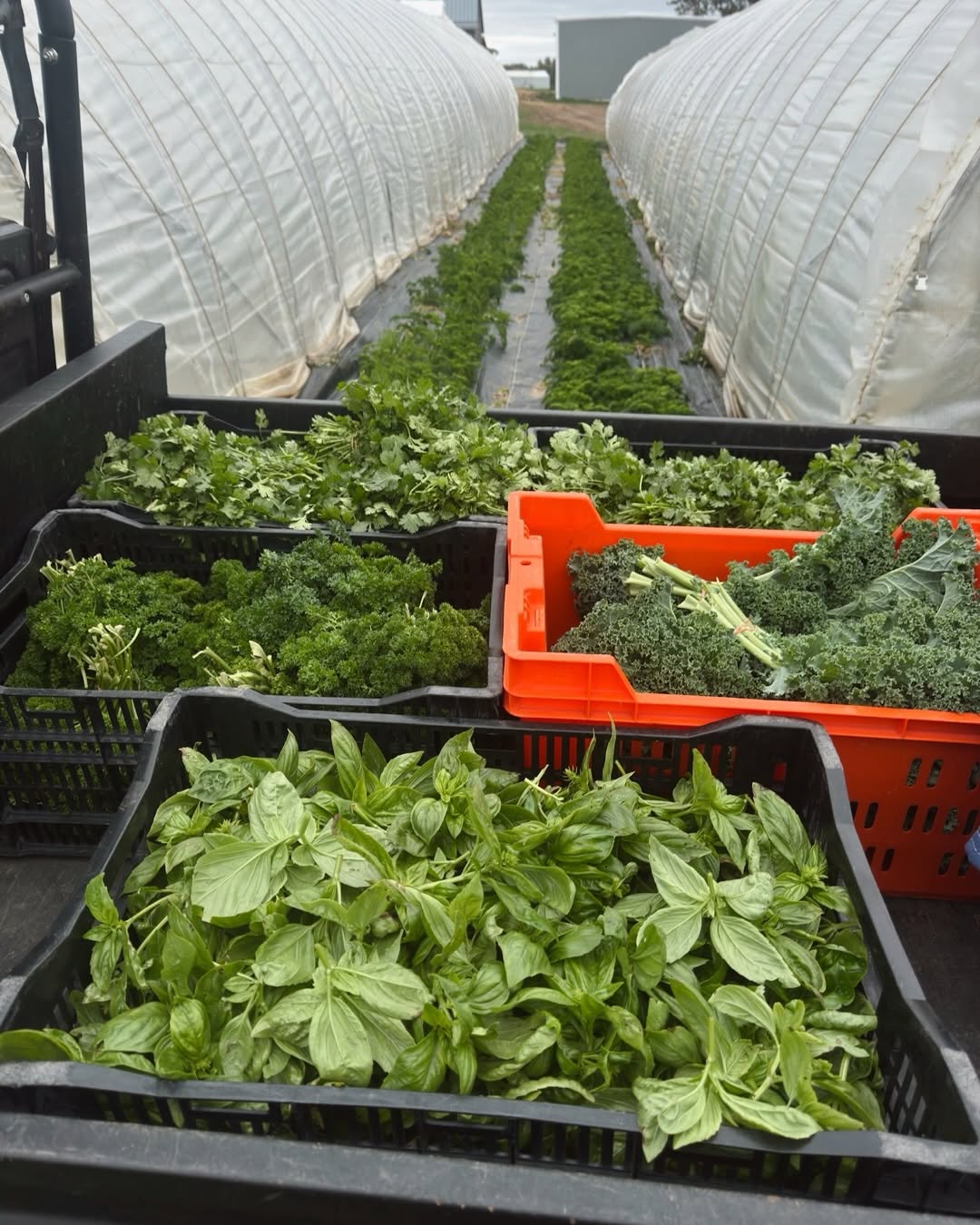
There's a difference you can actually taste. A tomato picked yesterday at a nearby farm versus one that spent a week in transit arrives with more flavor, texture, and freshness.
"Local" gets used a lot in food conversations, but when restaurants prioritize locally sourced ingredients, it impacts everything from taste to community support. Here's what local sourcing really means, why it matters, and how it shapes healthier, more flavorful meals.
There's no single definition of "local." Most restaurants and food systems define local as ingredients grown, raised, or produced within roughly 100 to 250 miles of where they're served, or within the same state or region.
It's also important to separate "locally sourced" from labels like organic or all-natural.
A local farm can be organic, conventional, or somewhere in between. The defining factor is proximity to the kitchen.
For restaurants focused on farm-to-table dining, shorter supply chains often mean fresher ingredients and stronger relationships with local growers.
It comes down to timing.
Produce harvested at peak ripeness and delivered quickly retains more of its natural flavor, texture, and nutritional value. Long-distance shipping often requires fruits and vegetables to be picked before they're fully ripe so they can survive transport.
That shortcut affects taste.
Seasonal ingredients make this even more noticeable. Eating berries in summer, squash in fall, or fresh greens in spring means enjoying produce when it's naturally at its best.
For healthy grain bowls, salads, wraps, and plant-forward meals, ingredient freshness can completely change the eating experience.
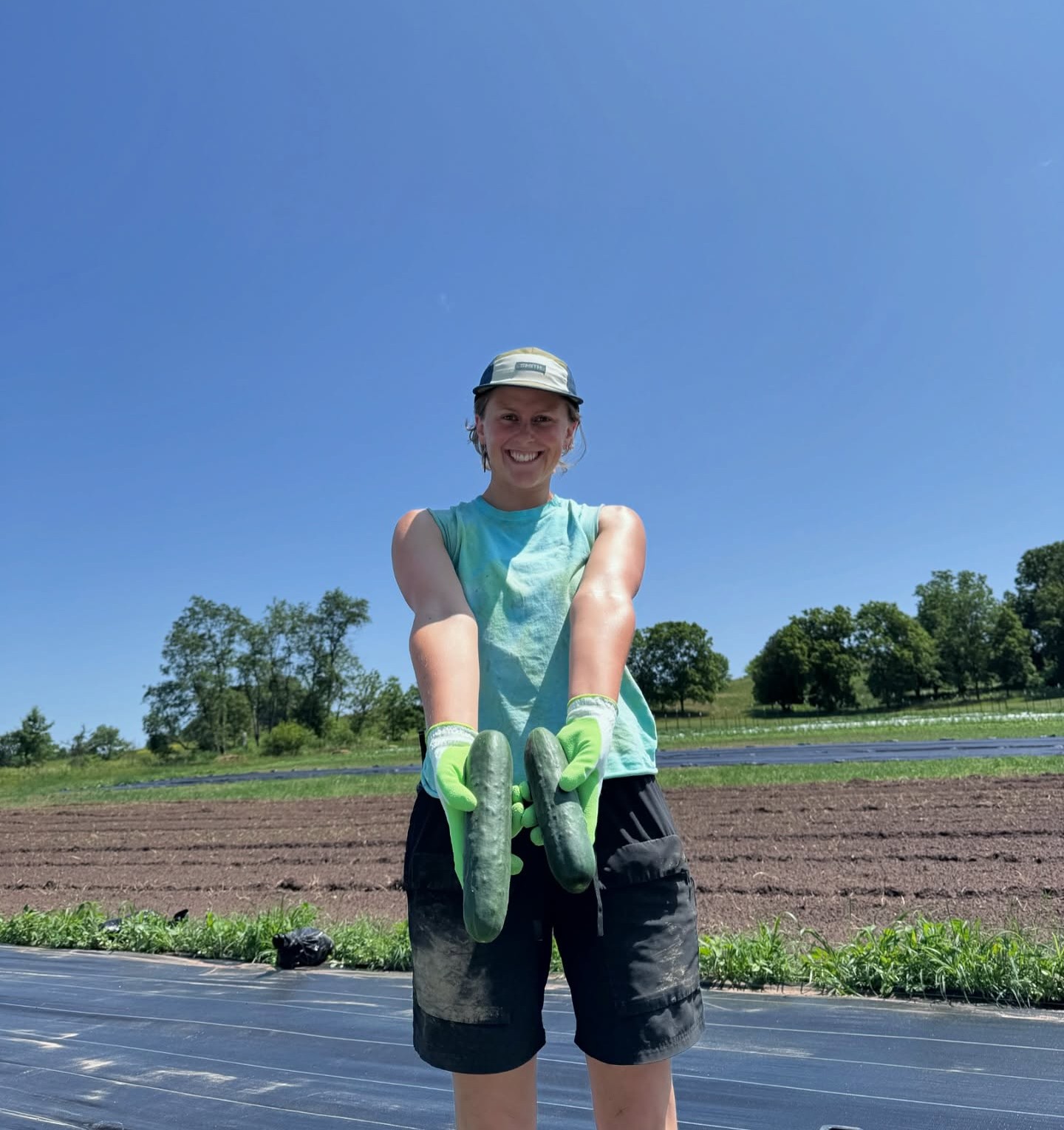
When restaurants buy from nearby farms, more money stays within local communities. Farmers reinvest in their land, employees, equipment, and future harvests.
Strong partnerships also develop over time. Farmers understand what restaurants need, and kitchens learn which ingredients local growers produce best.
At Forage Kitchen across Sun Prairie, Madison, and other locations, local sourcing helps keep menus fresh, seasonal, and connected to the communities we serve.
Partnering with local farms isn't simply a food trend. It's part of building a stronger regional food system.
Many restaurants use words like "fresh" or "local," but not all sourcing practices are equally transparent.
Restaurants that prioritize local sourcing are often more transparent about where ingredients come from. Seasonal menus, regional supplier partnerships, and ingredient-sourcing information help guests make more informed choices about what they eat.
At Forage Kitchen, sourcing relationships and our commitment to fresh, locally grown ingredients help shape many of the ingredients that appear in our bowls, salads, wraps, and seasonal offerings.
Restaurants that work closely with regional farms often have access to ingredients that don't always appear in large national supply chains. That creates opportunities for more variety throughout the year.
Instead of relying on the same produce every week, kitchens can incorporate unique vegetables, herbs, grains, and seasonal specialties as they become available.
For guests, that means menus feel more dynamic and less predictable. It also encourages trying ingredients that may not typically be part of their meals.
Plant-based meals rely heavily on ingredient quality.
Fresh vegetables, whole grains, legumes, herbs, and seasonal produce become the centerpiece of the meal. When those ingredients are locally sourced, the difference is noticeable.
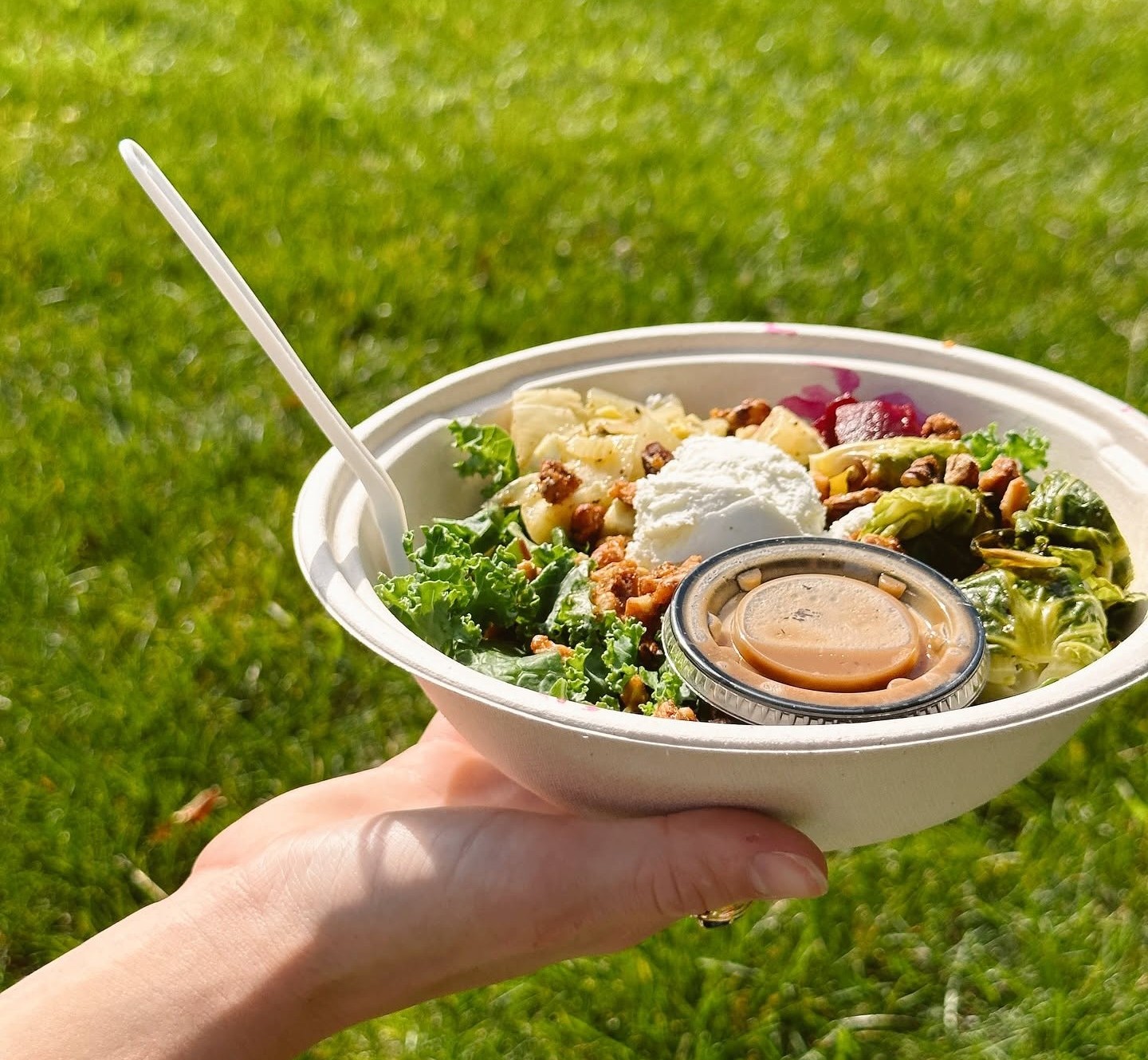
A roasted beet that’s been harvested nearby. Fresh kale picked during peak season. Locally grown grains layered into a healthy grain bowl. These ingredients bring texture, flavor, and substance that help vegetarian and vegan meals feel satisfying.
Fresh produce often requires fewer additions because the ingredients already deliver plenty of flavor on their own.
For anyone exploring plant-forward meals, local sourcing is one of the easiest ways to elevate the experience.
A few signs can help identify restaurants that genuinely prioritize local sourcing.
Restaurants committed to sustainable sourcing are usually transparent about their partnerships and the origins of their ingredients.
Not necessarily. During peak growing seasons, local produce can be competitively priced because transportation and storage costs are lower.
No. Local refers to where food is produced, while organic refers to how it is grown. Both can be important, but they measure different things.
Yes. Seasonal eating simply changes throughout the year. Summer brings fresh produce, while fall and winter highlight root vegetables, grains, and storage crops that grow well in Midwest climates.
Locally sourced ingredients aren't just about geography. They're about freshness, flavor, seasonality, and stronger connections to the communities that grow our food.
Whether you're building a healthy grain bowl, ordering a fresh salad, or enjoying a seasonal menu item, local sourcing often shows up in the details you can taste.
At Forage Kitchen, we believe great food starts with great ingredients. That's why we continue working with regional growers and suppliers to bring fresh, flavorful meals to our communities across Wisconsin and Illinois.
Order from your nearest Forage Kitchen to experience the difference fresh, locally sourced ingredients can make.
Darlene Murphy is Vice President of Brand Development at Forage Kitchen. A veteran of both restaurant and retail marketing, she makes sure everyone knows and loves the Forage Kitchen vibe and is focused on strengthening the brand, menu innovation and creating a community for both existing and new guests.