
Blog

Jeanne Blasberg
April 27, 2026

At Forage Kitchen, sourcing fresh, responsibly grown ingredients has always been a priority. This guest post from Flynn Creek Farm shares the story behind that partnership, and how it’s shaping a more transparent, local food system.
When Forage Kitchen’s founder and CEO, Henry Aschauer, shared his interest in sourcing local, organic produce from a partner farm, Flynn Creek Farm was ignited. Forage’s early commitment would provide the foundational revenue needed to give our family the courage to purchase an initial 272 acres in 2022.
Over the past four years, Forage Kitchen and Flynn Creek Farm have been growing side by side, refining the operational systems that make this unique, vertically integrated farm-to-fork partnership work.
Farm-to-table dining is nothing new, but supplying an organic veggie operation to a fast-casual concept such as Forage Kitchen has highlighted the challenges within a regional food system, especially when the goal is to make the healthiest possible food accessible at prices most people can afford.
Forage works hard to keep its bowls affordable, yet local, organic produce is rarely the least expensive option. That commitment to both community and quality matters.
Our first deliveries to Forage began in July of 2023, when we supplied a handful of ingredients to four Madison locations.
In the 2026 season, we’re delivering to nine locations across Madison and Milwaukee three days a week. This means the produce in your bowl was harvested one or two days earlier, and recently picked organic food is among the most nutrient-dense foods you can eat.
Kudos to Forage for its commitment to the community and to the health of its patrons. When you dine at Forage Kitchen, you are not only nourishing your body, but you’re also supporting a return to transparent, responsible farming.
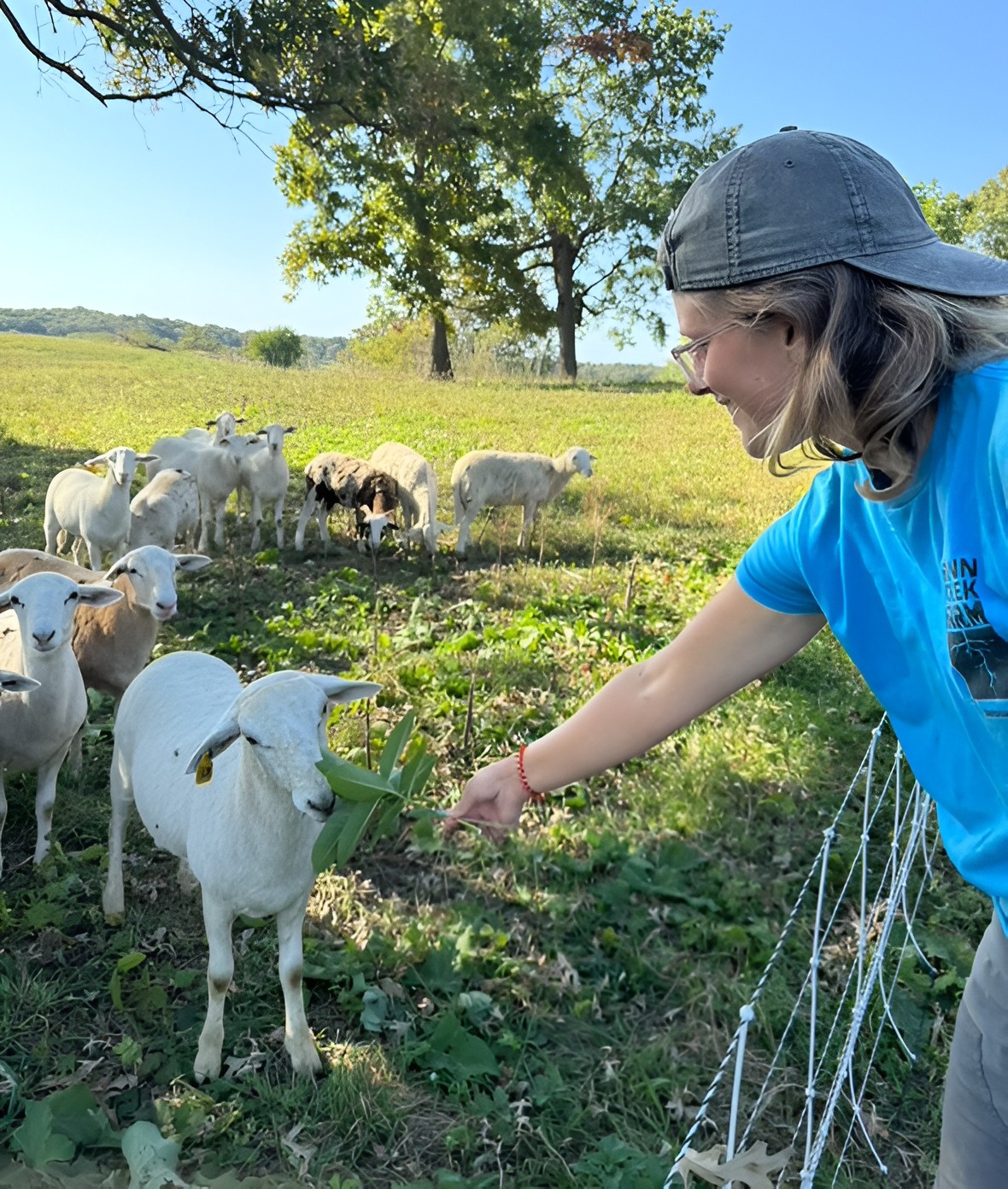
What sets Flynn Creek Farm apart from many vegetable producers is our regenerative approach. We are building a system in which cattle, sheep, chickens, and goats play their natural part in optimizing prairie and soil health.
The animals’ manure becomes a key ingredient in our compost, increasing organic matter and nutrient density in the soil where our vegetables grow. Vegetable scraps from our fields, and from Forage Kitchen, become feed for chickens as well as another important ingredient in our compost. People interested in sustainable agriculture and animal care can also explore dairy farm jobs on Jooble, where farming and food production roles continue to grow alongside regenerative agriculture practices. As more farms invest in transparent and environmentally responsible systems, demand for hands-on agricultural work is also increasing.
Beyond soil health, we are restoring and protecting habitats for pollinators and grassland birds. Our farm now spans nearly 570 acres, much of which has seen a rebounding wildlife population.
Interestingly, we have seen increased bird activity around the grazing animals, as well as a vibrant resurgence of insects and frogs following the introduction of native perennials.
In an ideal world, letting nature do as much work as possible allows us to limit off-farm inputs and reduce the labor required to manage land. It is, in many ways, a return to pre-industrial farming, one that prioritizes soil vitality, animal welfare, and long-term sustainability.
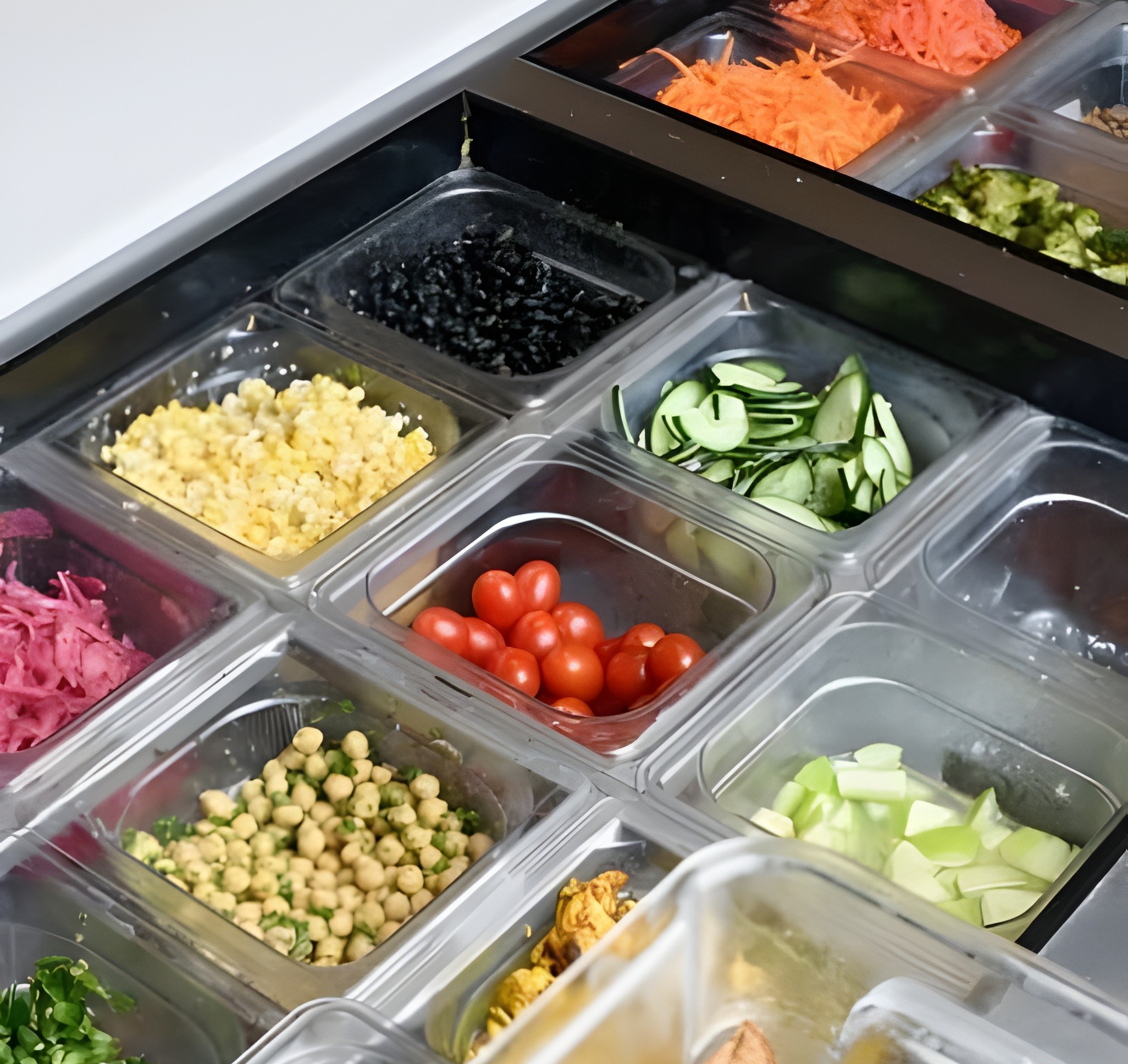
In addition to our work in the fields, we have launched “Flynn Creek Flavors,” preserving mid-summer ripeness for the colder months so you don’t have to compromise on good health or local fare year-round.
We want the community to experience our farm firsthand, so check out our website to learn about tours, pizza nights, and our newly opened farm stand. Guests are always welcome to walk our trails.
You can also experience these ingredients in action at nearby Forage Kitchen locations.
This partnership reflects Forage Kitchen’s ongoing commitment to fresh, locally sourced ingredients and transparent sourcing practices.
Explore the Forage Kitchen menu or order ahead from a nearby location to experience farm-to-fork meals built on ingredients grown just days before they reach your bowl.
Jeanne Blasberg, CEO of Flynn Creek Farm, is an author, educator, and lifelong sportswoman devoted to food justice and transparent growing practices. Her vision is simple yet ambitious: to make nutrient-dense, responsibly grown food accessible to all, promoting health, resilience, and quality of life for both people and the land.