Blog

Darlene Murphy
July 8, 2026
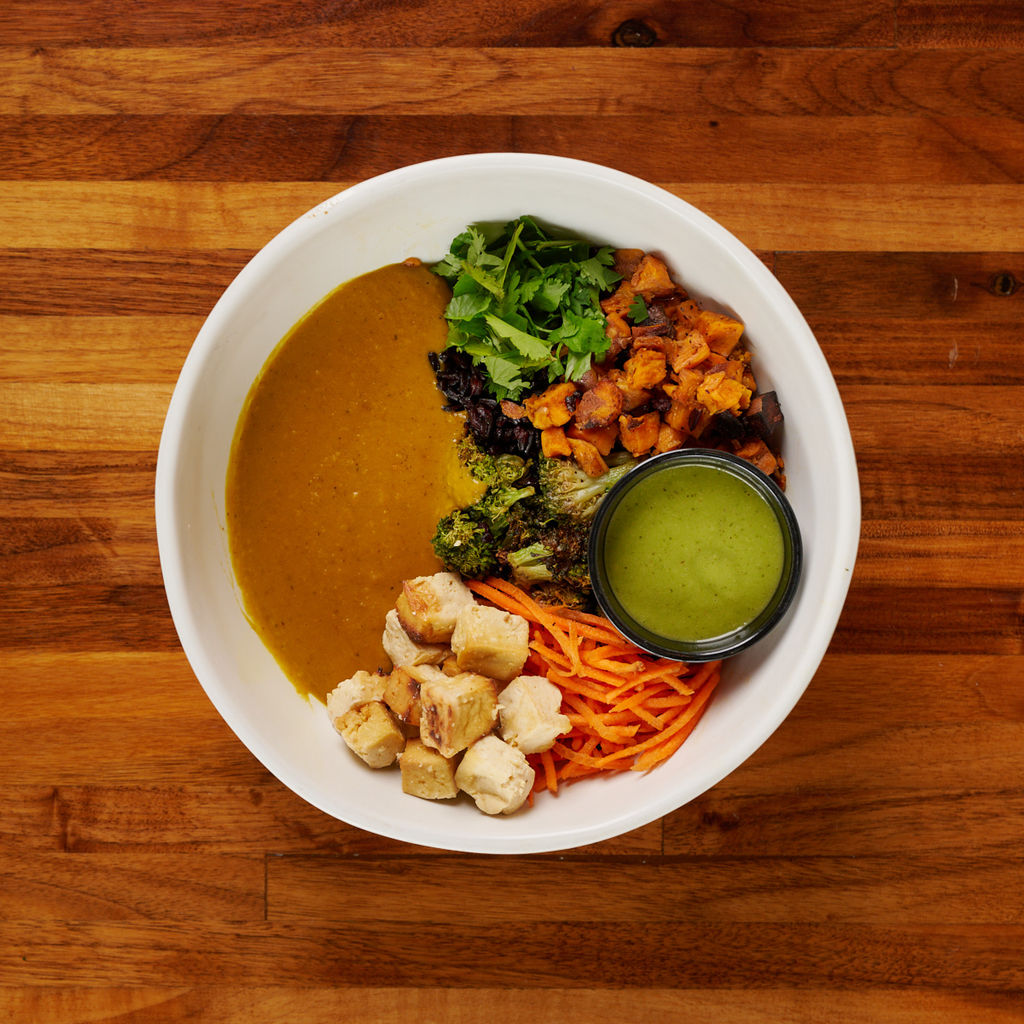
Eating out with food allergies takes real effort. You scan the menu twice, ask your server three questions, and still feel uncertain when the food arrives. The frustrating part is not the restrictions themselves. It is the feeling that allergy-friendly options are always an afterthought, bland substitutions that leave you hungry and a little defeated.
It doesn’t have to feel that way. Allergy-friendly healthy food can be colorful, filling, and delicious when done right. Whether you are navigating a nut allergy, avoiding dairy, or staying soy-free, this blog offers practical tips for building satisfying meals that work for you.
The frustration is real. You find a menu that looks promising, then discover the dressing has hidden dairy, the grain has soy-based seasoning, or the "nut-free" dish shares prep space with tree nuts. Ordering with restrictions often means piecing together a meal from whatever survives after half the menu is removed.
There is also a gap between menus that technically accommodate allergies and restaurants that help you eat well. Plain lettuce over plain rice technically avoids allergens. But that is not a satisfying meal, and it should not be the standard.
The right restaurant approach changes everything. When a kitchen is built around fresh, whole ingredients and real customization, ordering with dietary restrictions becomes a conversation instead of a negotiation.
Nuts, dairy, and soy show up in places most people do not expect. Nuts appear in sauces, grain toppings, crusts, and even some vinaigrettes. Dairy hides in dressings, marinades, bread, and some sauces. Soy is the trickiest of the three. It turns up in proteins like tofu and edamame, as well as in soy-based oils, marinades, and many plant-based meat alternatives.
These allergens often show up in dressings, sauces, marinades, and toppings. Knowing where they commonly appear makes menu navigation much easier.
Reading ingredient lists is important, but ingredients are only part of the picture. For people with food allergies, cross-contact can also be a concern. This can happen when food is prepared on shared surfaces, utensils, or equipment.
That's why it's helpful to communicate allergies clearly when ordering. Restaurants that encourage customization and ingredient transparency can often provide more guidance about preparation methods and available options.
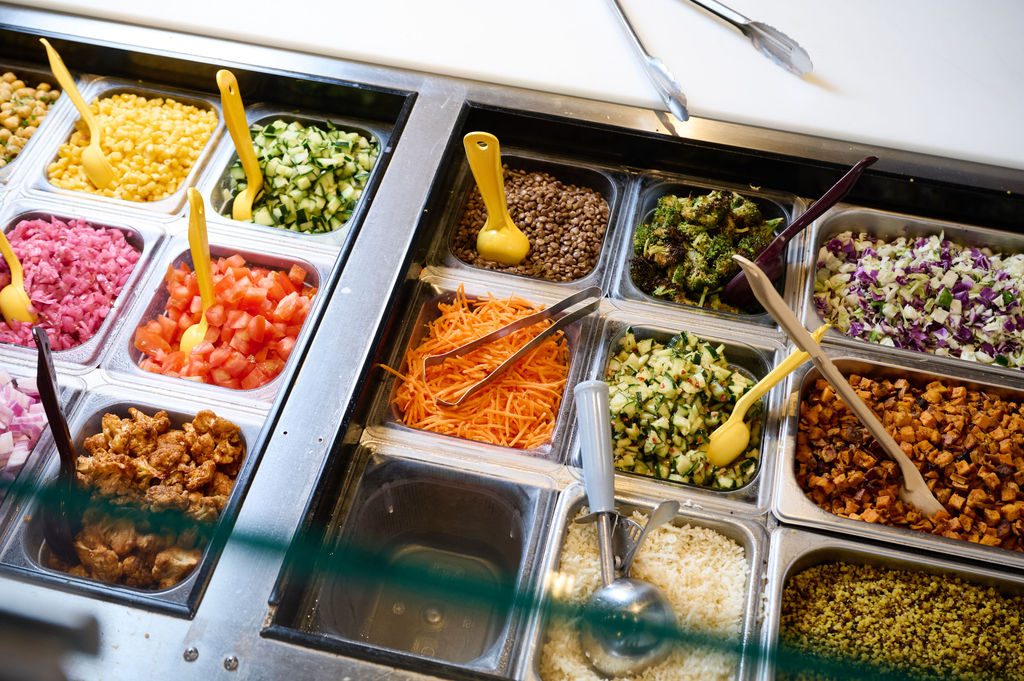
The key to a satisfying allergy-friendly meal is building it in layers. Start with a naturally simple base, add a protein, and finish with toppings that bring flavor and texture.
Whole grains like organic black rice and quinoa can provide a hearty foundation. Fresh greens add volume and nutrients while helping meals feel balanced and satisfying.
For protein, options such as roasted chicken, hard-boiled eggs, black beans, or chickpeas can help create a more complete meal. Roasted vegetables, avocado, fresh herbs, pickled onions, and simple vinaigrettes can add flavor without relying on heavy sauces.
At Forage Kitchen, customizable grain bowls and salads make it easy to choose ingredients based on your preferences and dietary needs. Explore our menu before you visit.
Small ingredient swaps can make meals feel just as satisfying while helping you navigate dietary restrictions more confidently.
Ordering allergy-conscious meals becomes much easier when you know which questions to ask and which ingredients to look for more closely.
Ask whether dressings contain dairy, whether proteins are marinated in soy-based sauces, and whether ingredients may come into contact with common allergens during preparation.
When reviewing a menu, simple vinaigrettes and ingredient-forward options are often easier to evaluate than heavily customized sauces or dressings. If needed, request sauces on the side and ask for clarification on ingredients before ordering.
Customizable bowls, salads, and healthy lunch options make these adjustments much easier. Restaurants that prioritize flexibility often provide a smoother dining experience for guests with dietary restrictions.
Many people assume dietary restrictions automatically limit variety. In reality, some of the most flavorful meals are built from simple ingredients like roasted vegetables, whole grains, fresh herbs, legumes, citrus, and house-made vinaigrettes.
When restaurants offer customization, it's easier to focus on what you can enjoy rather than what you need to avoid.
Whether you're dining in Madison, Middleton, or anywhere in Wisconsin, understanding ingredients can make ordering feel far less restrictive.
Plant-based and allergy-conscious eating overlap more than many people expect. Roasted vegetables, grains, legumes, and fresh greens often create a strong foundation for balanced meals.
However, it is important to remember that plant-based does not automatically mean allergy-friendly. Some vegan cheeses contain nuts, while many plant-based proteins contain soy.
Customizable bowls and salads make it easier to build plant-forward meals around whole ingredients and personal dietary preferences.
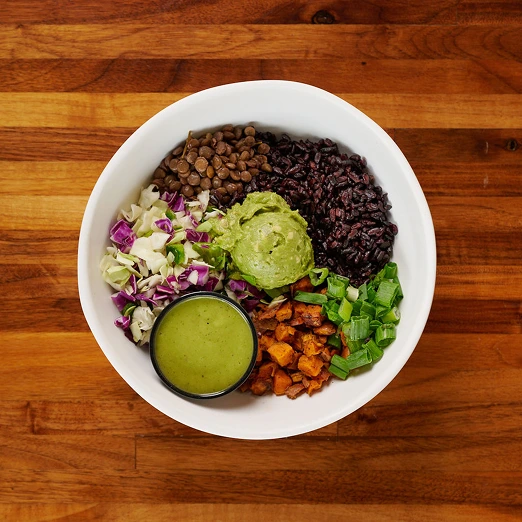
Absolutely. Chicken, salmon, eggs, black beans, lentils, and chickpeas can all provide protein while fitting into a variety of dietary preferences and restrictions.
Look for ingredient transparency, staff members who can answer questions clearly, and menus that allow customization rather than simply removing ingredients.
Yes. A balanced bowl with vegetables, grains, protein, healthy fats, and a flavorful dressing can be filling, nutritious, and enjoyable.
Allergy-friendly eating is not about settling. It is about understanding ingredients, making informed choices, and finding restaurants that make customization easy. Important habits like checking ingredients, asking questions, and choosing customizable meals can make dining out much less stressful.
At Forage Kitchen, we believe healthy food should be approachable, customizable, and full of flavor.
Order allergy-friendly bowls and wraps from Forage Kitchen to build a meal that works for your preferences.
Darlene Murphy is Vice President of Brand Development at Forage Kitchen. A veteran of both restaurant and retail marketing, she makes sure everyone knows and loves the Forage Kitchen vibe and is focused on strengthening the brand, menu innovation and creating a community for both existing and new guests.